

XII. international conference „Actualities of Civil Procedural Law – National and Comparative Legal Theoretical and Practical Achievements“
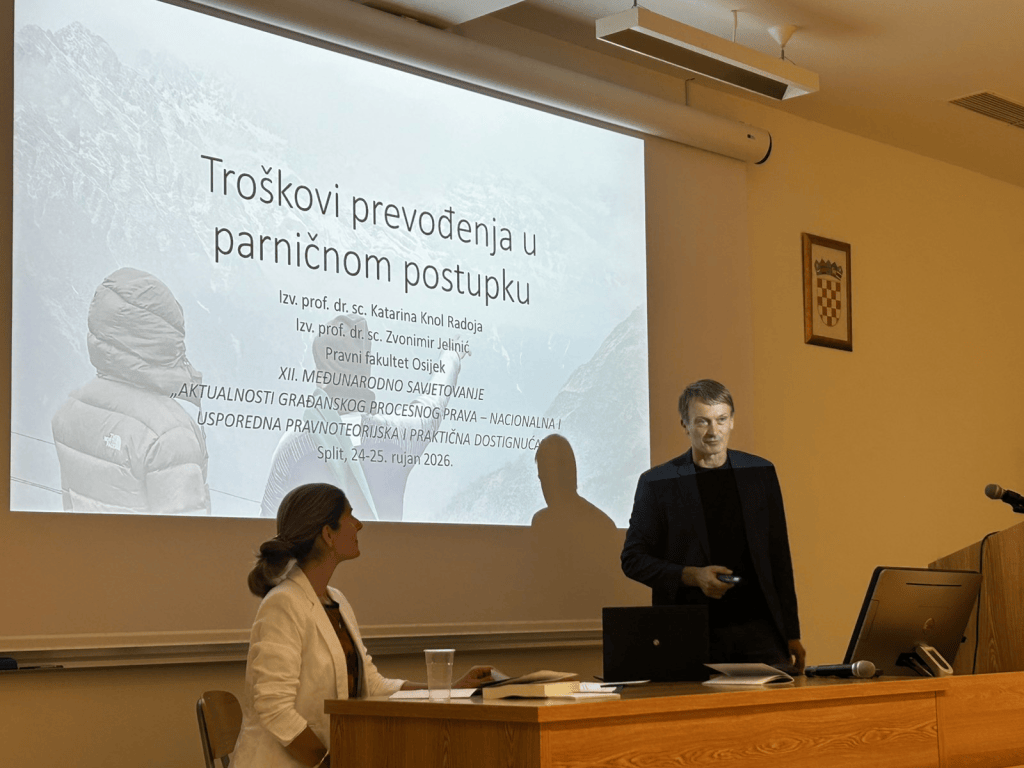
Zvonimir Jelinić, Ph.D., Associate Professor, participated in the 12th International Conference “Actualities of Civil Procedural Law – National and Comparative Legal Theoretical and Practical Achievements,” held from 24 to 25 September 2026. On this occasion, he presented a co-authored paper (with Katarina Knol Radoja, Ph.D., Associate Professor) entitled “Translation and Interpretation Costs in Civil Proceedings.”
The presentation analyzed the right to use one’s own language in civil proceedings as a fundamental component of the right to a fair trial, with a specific emphasis on the inconsistencies observed in ancillary decisions regarding translation and interpretation costs. It was noted that under domestic legal practice, the costs of certified court interpreters often fall upon the party requiring translation services – even when that party fully prevails on the merits of the case, thereby departing from the general rule that the losing party bears litigation costs.
In comparison with German and Austrian law, as well as the jurisprudence of the European Court of Human Rights, the presentation highlighted that language barriers must not constitute a permanent financial risk compromising the essence of the right of access to justice. Consequently, attention was drawn to the need for redefining the existing regulatory framework to ensure that procedural safeguards and the comprehension of proceedings remain unconditioned by an individual’s financial capacity.

19th World Conference of the International Society of Family Law (ISFL) “Family Law & Vulnerability”
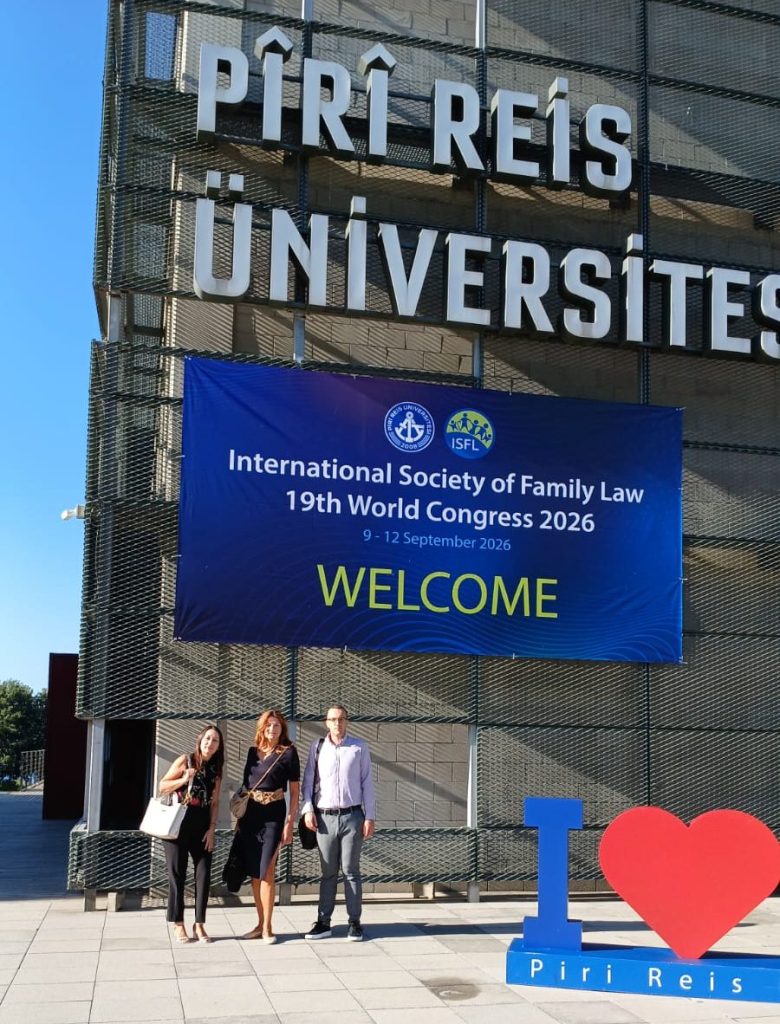
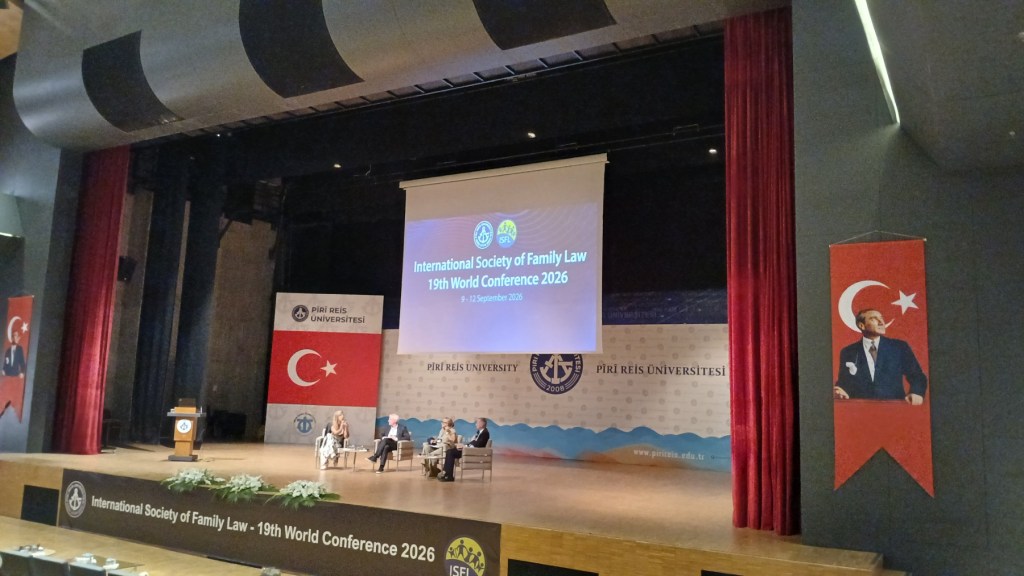
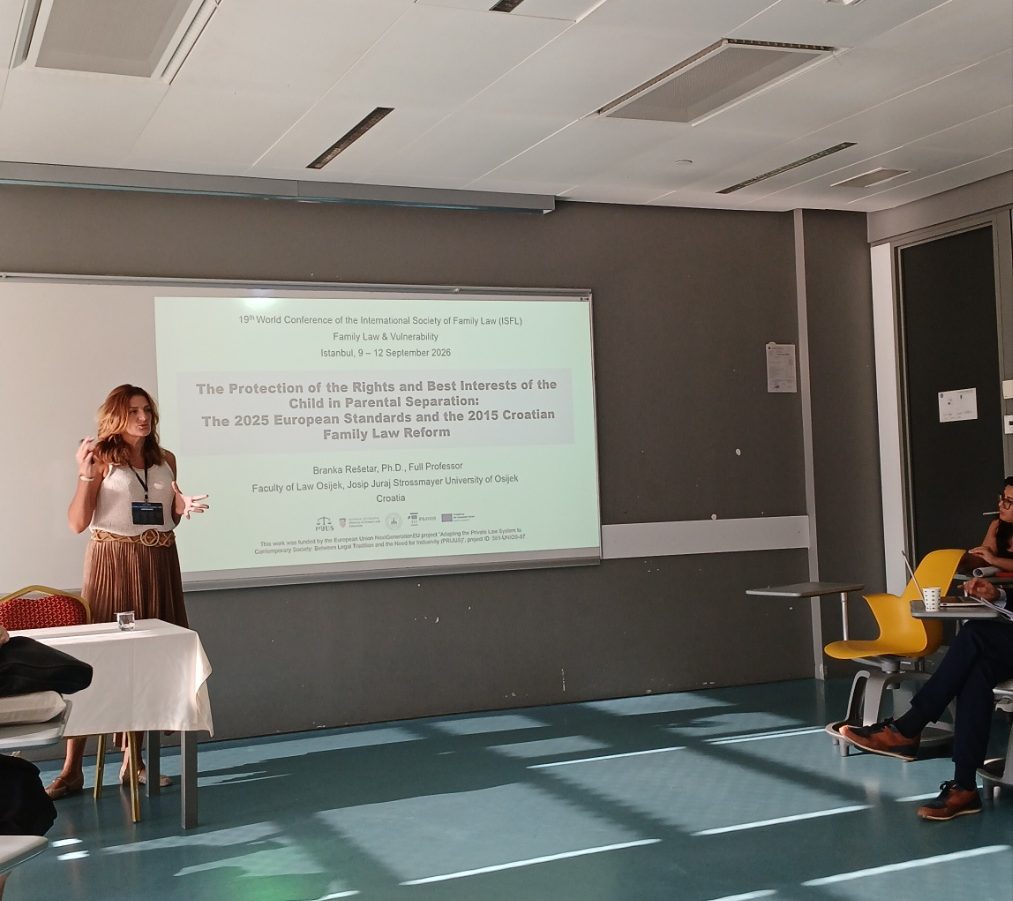
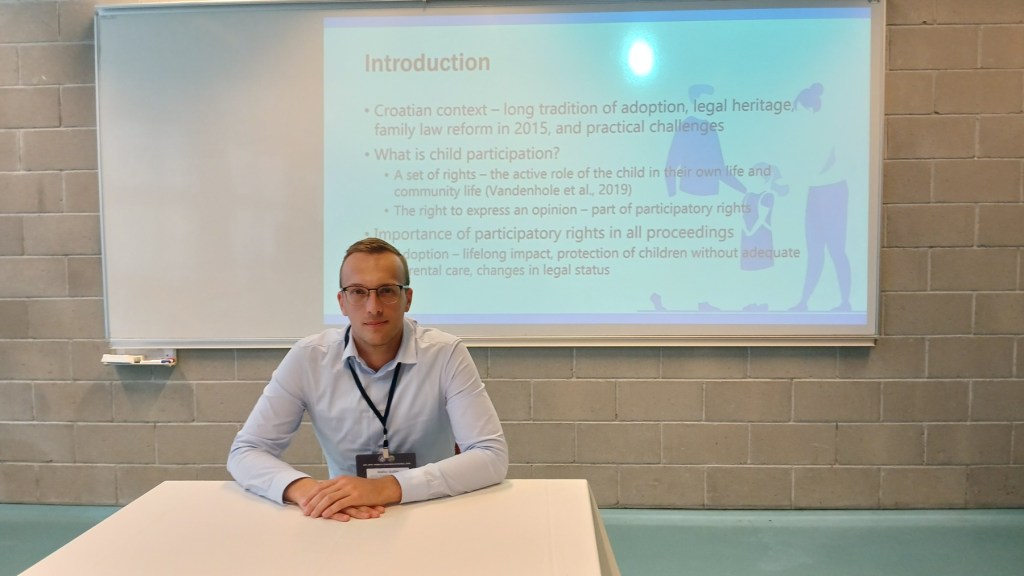
The 19th World Conference of the International Society of Family Law (ISFL) “Family Law & Vulnerability”, was held at Pîrî Reis University in Istanbul, Turkey, from 9 to 12 September 2026. The members of the Department of Family Law participated in the conference with the following presentations:
- Branka Rešetar, Ph.D., Full Professor – “The Protection of the Rights and Best Interests of the Child in Parental Separation: The 2025 European Standards and the 2015 Croatian Family Law Reform”
- Nataša Lucić, Ph.D., Associate Professor – “Vulnerability, Origin and Constitutional Adjudication: Parentage Proceedings and the Implications of Recent Croatian Case Law on Surrogacy” and
- Matko Guštin, Teaching Assistant – “Child Participation in Adoption Proceedings: The Croatian Legal Framework”.
Through their participation in this international scientific conference, the Department members contributed to the international academic discourse on contemporary issues in family law and the protection of vulnerable groups. Furthermore, these presentations served to showcase and integrate the ongoing research outcomes of our scientific research project.
* Funded by the European Union – NextGenerationEU. Views and opinions expressed are however those of the author(s) only and do not necessarily reflect those of the European Union or the European Commission. Neither the European Union nor the European Commission can be held responsible for them.
Archival Research
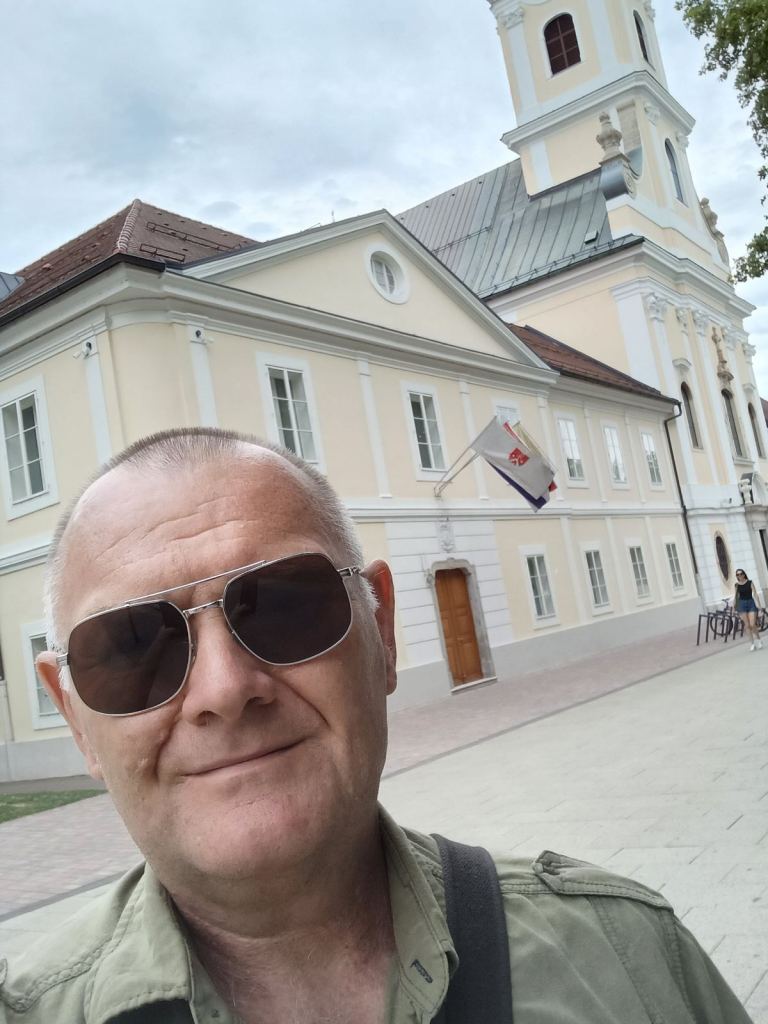
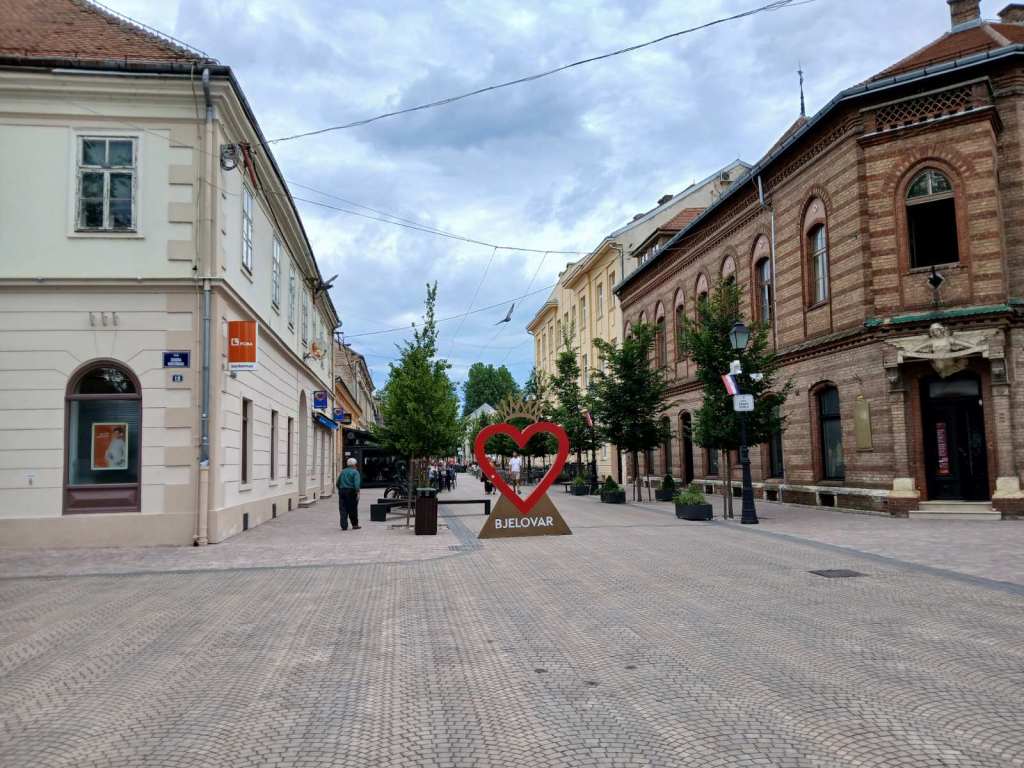
As part of the work package ” Legal-Historical Analysis of Selected Traditional Private Law Institutions”, project team member Miro Gardaš, Ph.D., Full Professor with Tenure, conducted research at the State Archive in Bjelovar from 8 to 9 July 2026.
The research encompassed the archival records of the Judicial Table (court) in Bjelovar, specifically presidential files, judicial administration documents, and criminal case files for the years 1874, 1918, 1919, and 1920. The findings of this research will serve as a foundation for further analysis of the development of selected private law institutions, in accordance with the outlined methodological plan and objectives of the PRIJUS project.
* Funded by the European Union – NextGenerationEU. Views and opinions expressed are however those of the author(s) only and do not necessarily reflect those of the European Union or the European Commission. Neither the European Union nor the European Commission can be held responsible for them.
International Scientific Conference „International and EU Law Horizons Conference“
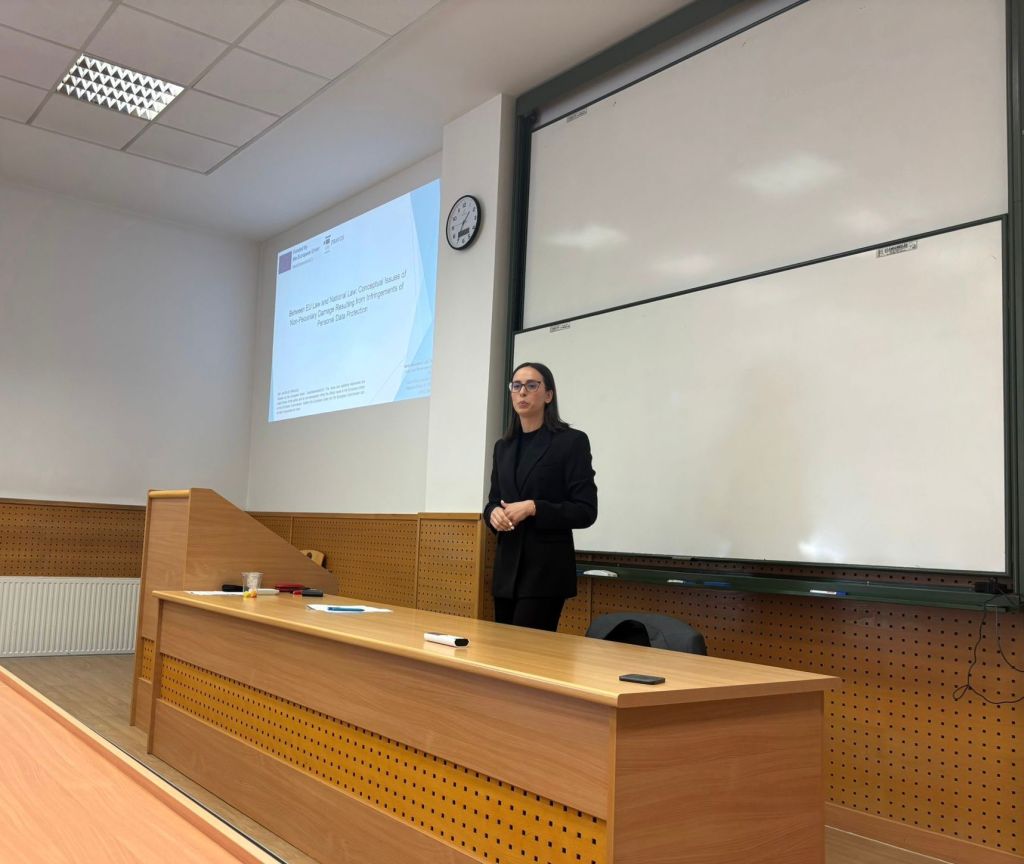
The “International and EU Law Horizons Conference” was held at the Faculty of Law, University of Pécs on 28 and 29 May 2026, where Marija Pavošević. Teaching Assistant held a presentation titled “Between EU Law and National Law: Conceptual Issues of Non-Pecuniary Damage Resulting from Infringements of Personal Data Protection”.
The presentation provided insight into the relationship between the right to the protection of personal data and the right to privacy, which can be understood either as a subcategory of the latter or as an independent right closely linked to it. The presentation specifically problematized the application of Article 82 of Regulation (EU) 2016/679 through the prism of non-pecuniary damage and the prerequisites for liability, with an emphasis on causation, which is often more difficult to prove.
The positions taken by the Court of Justice of the European Union in certain cases were linked to the practice of Croatian courts. In this regard, it was pointed out that jurisprudence in the Republic of Croatia is not aligned with the fundamental requirements of Regulation (EU) 2016/679, and that national courts do not distinguish between damage caused by a violation of the Regulation and damage resulting from violations of national regulations. The provisions of national legislation that could be taken into account when determining the amount of compensation for such damage were analyzed, concluding that inconsistency exists in this segment as well, particularly when considering the findings of the Court of Justice of the EU. The author’s view is that German case law is more aligned with EU law, and that through the reasoning of court judgments, German courts are beginning to establish certain criteria that become factors shaping the amount of compensation—factors that are visibly absent in Croatia.
* Funded by the European Union – NextGenerationEU. Views and opinions expressed are however those of the author(s) only and do not necessarily reflect those of the European Union or the European Commission. Neither the European Union nor the European Commission can be held responsible for them.
International Scientific Conference „Law for the New Era: Normative Challenges in the 21st Century“
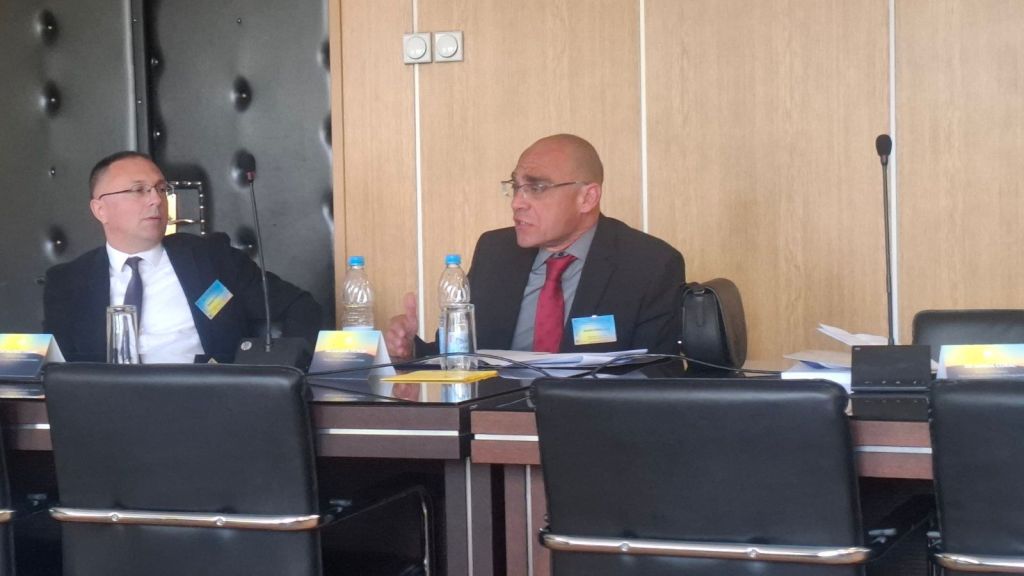
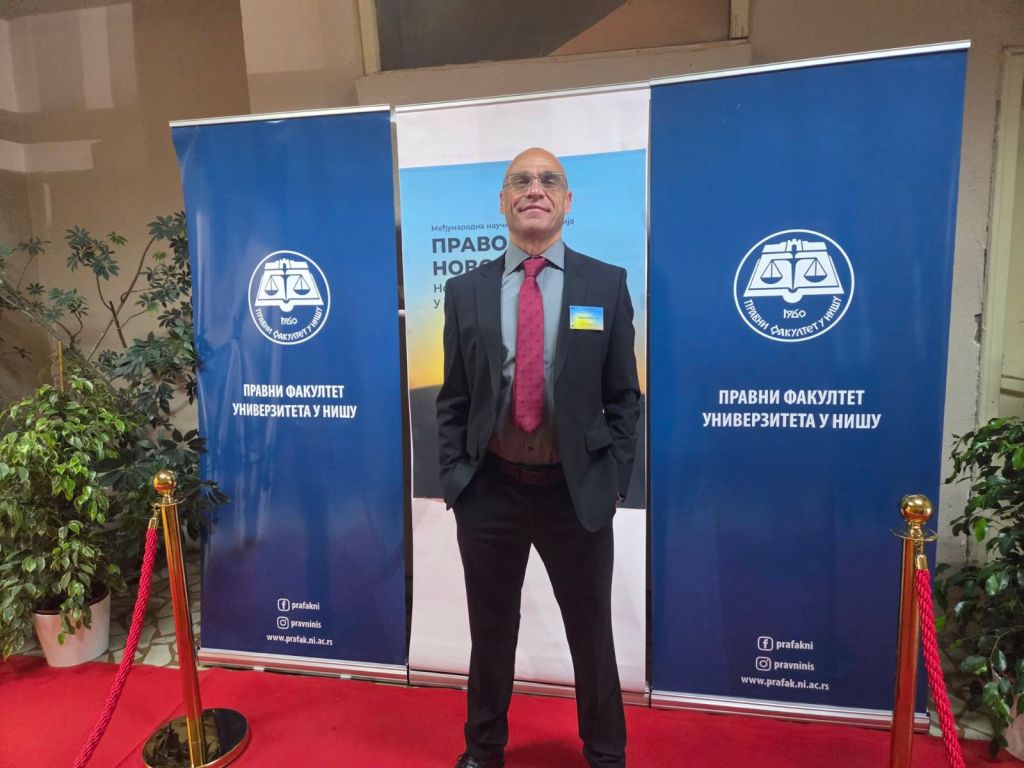
From 14 to 15 May 2026, Davorin Pichler, Ph.D., Associate Professor, participated in the International Scientific Conference “Law for the New Era: Normative Challenges in the 21st Century,” hosted by the Faculty of Law at the University of Niš.
In his presentation, titled “Property Law Aspects of Urban Consolidation”, Professor Pichler presented the institute of urban land readjustment (urban consolidation) as a key mechanism for the equitable restructuring of building land and for addressing the long-standing issue of illegal construction. He analyzed the conflicting viewpoints generated by the new Physical Planning Act, wherein proponents and investors envision opportunities for sustainable development, whereas concerned private landowners fear for their property rights. Furthermore, he addressed the constitutional review proceedings initiated before the Constitutional Court, with a particular emphasis on the controversial provision allowing land readjustment procedures to be initiated by investors holding a minimum of 51% of land ownership within a designated area.
* Funded by the European Union – NextGenerationEU. Views and opinions expressed are however those of the author(s) only and do not necessarily reflect those of the European Union or the European Commission. Neither the European Union nor the European Commission can be held responsible for them.
Online conference „Protecting Family Life and Children’s Rights“
Project team member Matko Guštin, Master of Laws, attended the online conference “Protecting Family Life and Children’s Rights“, held on 24–25 February 2026 under the auspices of the Academy of European Law (ERA).
In a series of five sessions, eminent experts addressed pressing contemporary issues, including the child’s right to be heard in legal proceedings, with specific focus on international child abduction, gender reassignment, foster care, adoption, and surrogacy arrangements. By examining the recent jurisprudence of the European Court of Human Rights, the conference underscored the evolving nature of family dynamics, which continually reshapes traditional legal frameworks. Consequently, the proceedings concluded that national legislatures and judicial authorities must adopt a more proactive stance in safeguarding individual human rights, while consistently upholding the best interests of the child as the paramount consideration.
Detailed information regarding the conference program is available at the following link: https://shop.era.int/upload/dokumente/27331.pdf.
Photo (logo): https://www.era.int/
Free Legal Aid – OSIJEK PRO BONO Legal Clinic
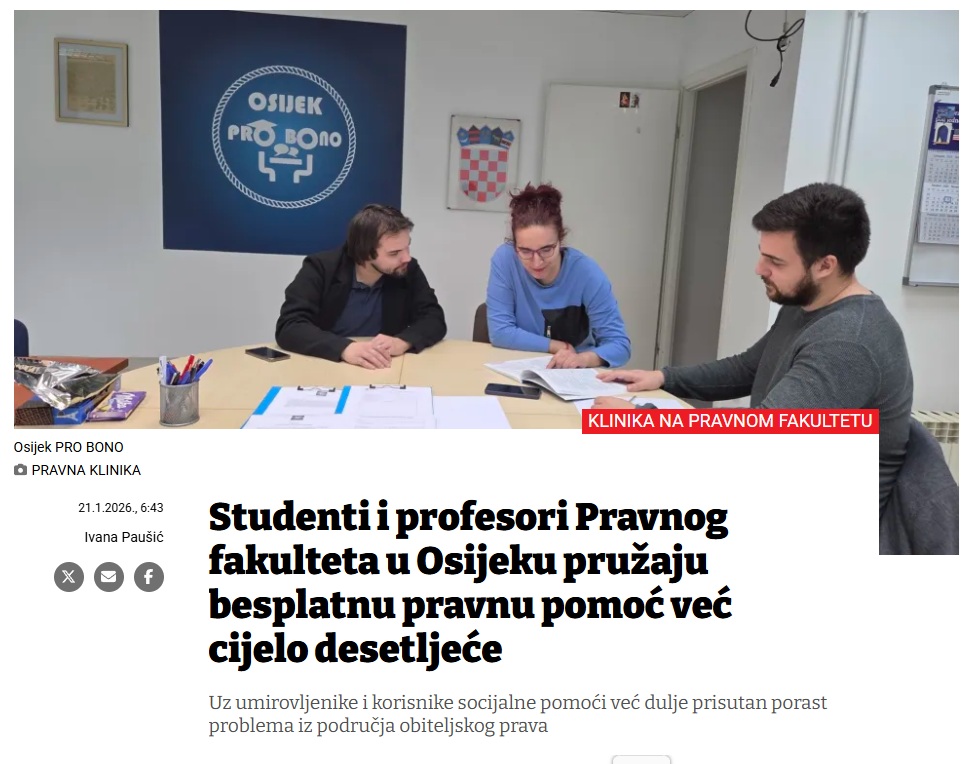
An article on the activities of the OSIJEK PRO BONO Legal Clinic of the Faculty of Law Osijek, led by Zvonimir Jelinić, Ph.D., Associate Professor, was published in Glas Slavonije. For more than a decade, this legal clinic has been providing free primary legal aid, and students, with the assistance of mentors, have handled slightly more than 170 cases. Through their work in the legal clinic, students gain valuable practical experience in preparation for legal practice while simultaneously developing a sense of social responsibility by providing free legal assistance to citizens of limited financial means.
The full article is available at the following link: https://www.glas-slavonije.hr/osijek/2026/01/21/studenti-gradanima-besplatnom-pravnom-pomoci-sluze-zajednici-741767/.
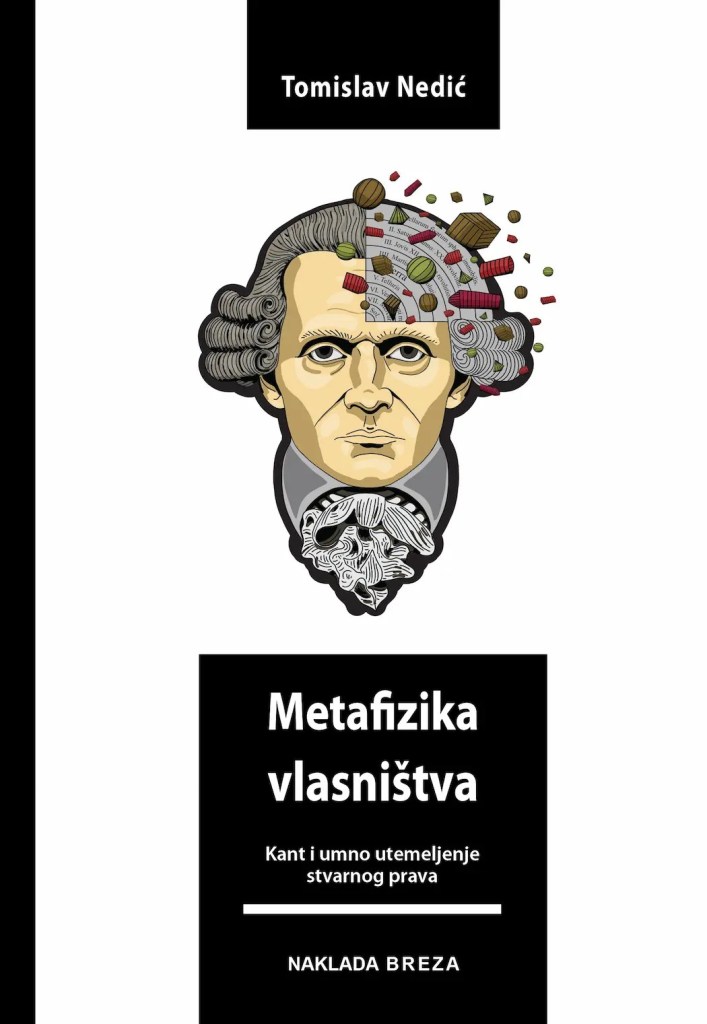
New Edition – “The Metaphysics of Ownership” by Assistant Professor Tomislav Nedić
Published by Naklada Breza, a new book by Tomislav Nedić, Ph.D., Assistant Professor, titled “The Metaphysics of Ownership – Kant and the Rational Foundation of Property Law” has been released. The book offers a philosophical-legal analysis of ownership and other rights in rem through the relationship between law and morality, while also examining the relevance of Kant’s rational theory of law for contemporary statutory private law, private law theory, and legal doctrine (https://naklada-breza.hr/pravo/metafizika-vlasnistva/).
The institution and right of ownership, as the most important right in rem, constitute the foundation not only of private (civil) law and law in general but also of the modern social order, which protects ownership (in the broader sense) and all its elements through a wide range of measures. The thought of Immanuel Kant clearly paved the way for the individualistic-liberal understanding of ownership, as well as of private law. It is beyond dispute that the distinction between persons and things, the rational foundation of property law and possession (particularly evident in indirect and ideal possession), the principle of substance, freedom and equality, and first possession as a mode of acquiring ownership represent fundamental determinants of the modern (especially continental) system of property law.
The book examines the legacy of the Kantian distinction between persons and things within the continental civil law order and explores the possibility that new entities—conceived as objects of property rights—such as artificial intelligence, body parts, animals, and nature, might potentially be understood as persons or as holders of (subjective) rights. It also addresses the nature of possession, including the applicability of intelligible possession in contexts such as cryptocurrencies, the structure of ownership as an absolute right, and the defence of private ownership. In addition, the author analyses private-law delicts in the form of infringements of ownership, vindicatory claims, and the boundaries between personality/subjectivity and ownership/objectivity, including the issue of property rights over one’s own body.
The author seeks to situate Kant’s theory of law within the framework of statutory private law, private law theory, and civil-law doctrine, with the aim of illuminating contemporary disputes and controversies. By applying a somewhat more extensive and purposive interpretation, the work highlights Kant’s exceptional contribution to private law theory and philosophy.
The book is intended for scholars and theorists of (private) law, as well as philosophers, sociologists, historians, and political scientists (political theorists).
Protection of Children’s Procedural Rights in Practice
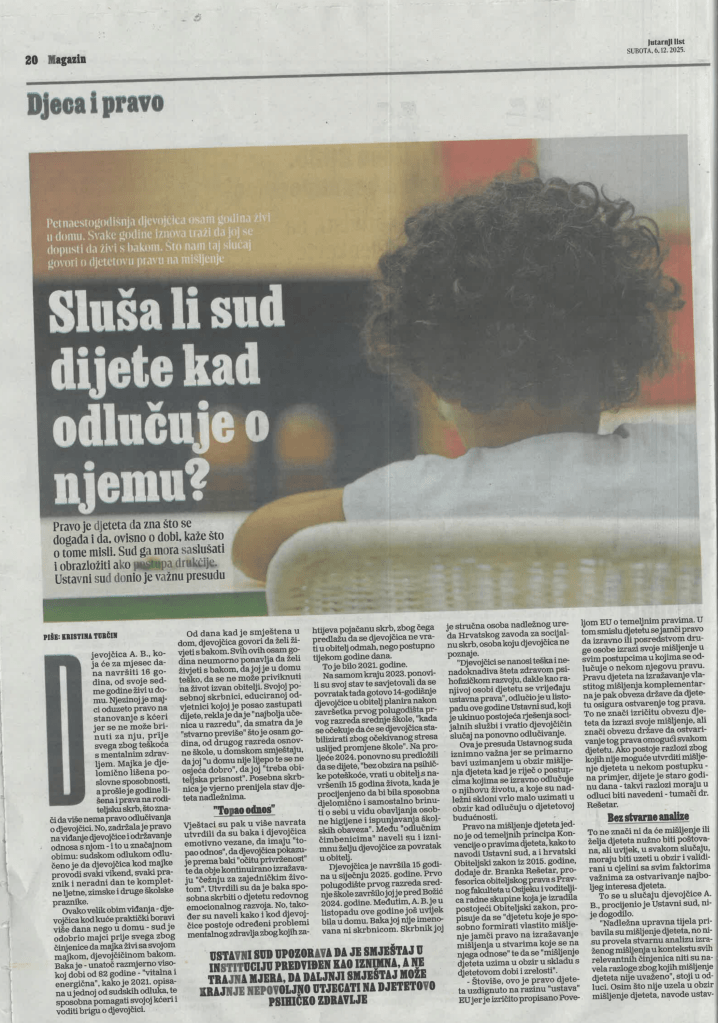
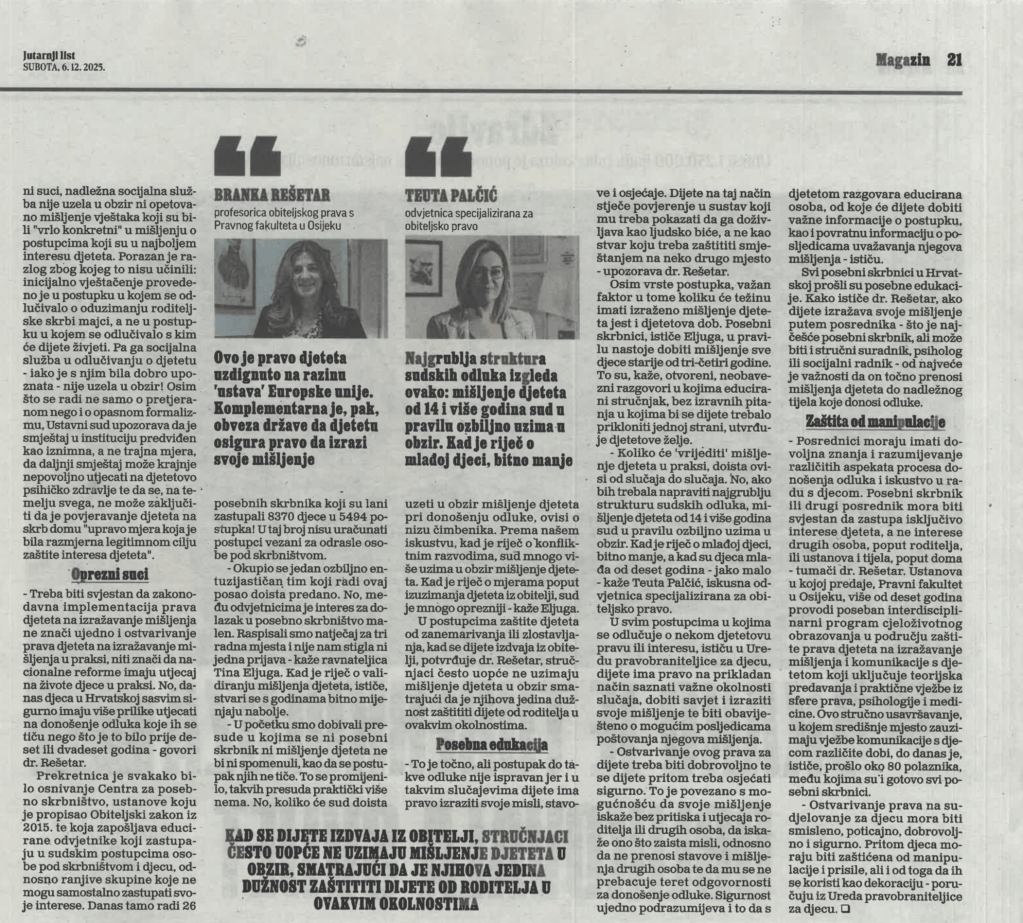
On 6 December 2025, an interview with Branka Rešetar, Ph.D., Full Professor, was published in the newspaper Jutarnji list on the topic “Does the Court Listen to the Child When Deciding About Them?”. In addition to Professor Rešetar, the issue is also discussed by Teuta Palčić, an attorney specializing in family law.
The full interview is available below.

All photographs featured on this website have been sourced from the online platforms Unsplash and Freepik.
This project is financed by the European Union – NextGenerationEU. Any views or opinions expressed herein are solely those of the author and do not necessarily reflect the official positions of the European Union or the European Commission. Neither the European Union nor the European Commission shall be held responsible for the content.

